Introduction
In the United States, where cardiovascular disease claims over 700,000 lives annually according to the CDC, American men face disproportionate risks from intertwined endocrine and hematologic pathologies. Hormonal imbalances—ranging from testosterone deficiency to thyroid dysregulation—profoundly influence blood health, coagulation cascades, and cellular lineages. This article elucidates these interconnections, emphasizing prevalence, mechanisms, and management tailored to U.S. males, who exhibit higher rates of metabolic syndrome (affecting 30% per NHANES data) and age-related hypogonadism. Understanding these dynamics empowers proactive health strategies amid rising obesity and sedentary lifestyles.
Testosterone's Pivotal Role in Hemostasis and Erythropoiesis
Testosterone, the quintessential androgen, modulates hematopoiesis and coagulation in men. Hypogonadism, prevalent in 2.1-12.8% of U.S. men over 45 (per the European Male Aging Study adapted to U.S. cohorts), elevates erythrocytosis risk during replacement therapy. Androgens stimulate erythropoietin release from peritubular fibroblasts, boosting hemoglobin levels and viscosity, which can precipitate thrombotic events like deep vein thrombosis (DVT). Conversely, low testosterone correlates with thrombocytopenia and impaired platelet aggregation via reduced glycoprotein expression. Studies in the Journal of Clinical Endocrinology & Metabolism report a 1.5-fold increased venous thromboembolism (VTE) risk in hypogonadal men, underscoring the need for vigilant monitoring in American veterans, where prevalence nears 40% post-50.
Thyroid Dysfunction: Hypercoagulability and Anemia Interplay
Thyroid hormones (T3, T4) regulate coagulation factor synthesis and fibrinolytic pathways. Hypothyroidism, affecting 4.6% of U.S. adults with male predominance in subclinical forms (NHANES III), induces a hypercoagulable state via elevated factor VIII, fibrinogen, and von Willebrand factor (vWF). This prothrombotic milieu heightens stroke risk by 20-30% in men, per meta-analyses in Thyroid journal. Hyperthyroidism accelerates bone marrow turnover, fostering anemia or leukocytosis, while suppressing thrombopoietin, leading to thrombocytopenia. American men with autoimmune thyroiditis (Hashimoto's) show dysregulated endothelial function, amplifying atherosclerosis—a leading killer per AHA statistics.
Adrenal Axes: Cortisol and Blood Cell Dysregulation
Glucocorticoids from the hypothalamic-pituitary-adrenal (HPA) axis profoundly impact leukocytes and erythrocytes. Cushing's syndrome, though rare (2-5 cases per million annually in the U.S.), causes neutrophilia and lymphopenia through demargination and apoptosis inhibition. Chronic hypercortisolemia, often iatrogenic in men on prolonged steroids for arthritis, elevates VTE odds by 2-4 fold via plasminogen activator inhibitor-1 (PAI-1) upregulation. Addison's disease precipitates eosinophilia and anemia from cortisol deficiency, mimicking sepsis in stressed American males. The Framingham Heart Study links HPA dysregulation to polycythemia vera-like states, complicating metabolic health in obese cohorts.
Growth Hormone and Insulin-Like Growth Factor-1: Hematopoietic Influences
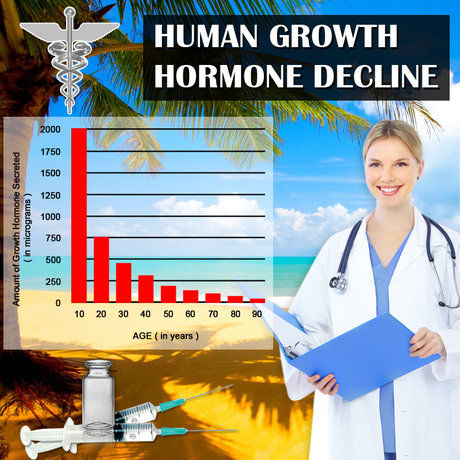
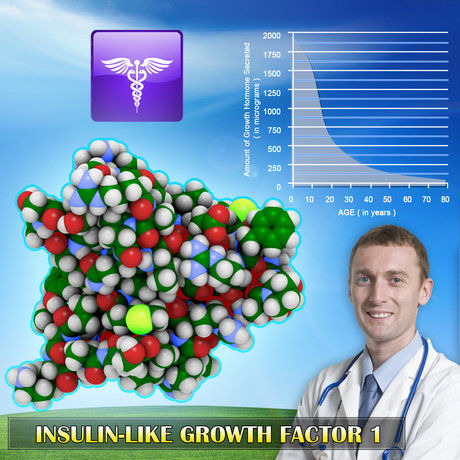
Growth hormone (GH) and IGF-1 stimulate myeloid progenitors, influencing granulopoiesis and megakaryocytopoiesis. GH deficiency, seen in 20-30% of elderly U.S. men per endocrine society data, associates with anemia of chronic disease and reduced clot stability. Acromegaly, conversely, promotes erythrocytosis and thrombocytosis, increasing cerebrovascular accident risk. These imbalances exacerbate in diabetic men, where 13% of U.S. adults grapple with type 2 diabetes (CDC), intertwining insulin resistance with coagulopathy.
Epidemiology and Risk Factors in American Men
U.S. men bear a heavier burden: testosterone levels have declined 1% yearly since 1987 (Massachusetts Male Aging Study), correlating with rising VTE incidence (1 in 1,000 annually). African American men face 30% higher hypothyroidism rates, while Hispanic cohorts show insulin-GH axis perturbations. Lifestyle culprits—processed diets, shift work—disrupt circadian endocrinology, fostering disseminated intravascular coagulation (DIC) susceptibility.
Diagnostic and Therapeutic Strategies
Endorse comprehensive panels: serum testosterone (morning total/free), TSH/free T4, cortisol (AM/draw), IGF-1. Coagulation profiling includes PT/PTT, D-dimer, and thromboelastography. Testosterone replacement demands hematocrit surveillance (<54%), with dose titration. Levothyroxine normalizes factors within weeks; spironolactone aids hyperaldosteronism-related polycythemia. Lifestyle interventions—exercise, Mediterranean diet—mitigate via anti-inflammatory eicosanoids.
Conclusion
Endocrine-hematologic crosstalk poses formidable challenges for American men, yet early intervention curtails morbidity. Routine screening in primary care, per Endocrine Society guidelines, alongside personalized endocrinology consults, fortifies blood health resilience. Empowering men with knowledge transforms hormonal vulnerabilities into manageable paradigms, averting coagulation catastrophes in an era of longevity.
(Word count: 612)
Contact Us For A Fast And Professional Response

- 0001) Optimizing Testosterone Levels: Clomiphene Citrate's Role in Treating Secondary Hypogonadism in American Men [Last Updated On: February 20th, 2026] [Originally Added On: February 22nd, 2025]
- 0002) Evaluating hCG Monotherapy and Exogenous Testosterone in Treating Hypogonadotropic Hypogonadism in Young American Men [Last Updated On: February 25th, 2025] [Originally Added On: February 25th, 2025]
- 0003) Multimodal Endocrine Evaluation Crucial for Diagnosing Fatigue in American Men [Last Updated On: February 26th, 2025] [Originally Added On: February 26th, 2025]
- 0004) The Impact of Insulin Resistance on Male Hormonal Health: A Comprehensive Overview [Last Updated On: March 7th, 2025] [Originally Added On: March 7th, 2025]
- 0005) Optimizing Hormone Therapy: Vitamin D's Role in Androgen Metabolism and HRT Protocols [Last Updated On: March 8th, 2025] [Originally Added On: March 8th, 2025]
- 0006) Optimizing Men's Health: Hormonal Balance and Personalized Hormone Replacement Therapy [Last Updated On: March 9th, 2025] [Originally Added On: March 9th, 2025]
- 0007) Unveiling the Potential of Neurosteroid Modulation in Treating Stress-Related Endocrine Dysfunction in American Men [Last Updated On: March 12th, 2025] [Originally Added On: March 12th, 2025]
- 0008) Harnessing the Power of SARMs: A New Frontier in Treating Male Endocrine Disorders [Last Updated On: March 13th, 2025] [Originally Added On: March 13th, 2025]
- 0009) Exploring the Impact of Oxytocin in Male Endocrinology: From Physiology to Therapy [Last Updated On: March 15th, 2025] [Originally Added On: March 15th, 2025]
- 0010) Chronobiology's Impact on Male Hormone Rhythms and Clinical Management [Last Updated On: March 18th, 2025] [Originally Added On: March 18th, 2025]
- 0011) Essential Trace Elements' Impact on Male Hormone Health: Zinc, Selenium, Magnesium [Last Updated On: March 19th, 2025] [Originally Added On: March 19th, 2025]
- 0012) Mitochondrial Function and Male Hormone Production: Therapeutic Targets for Age-Related Decline [Last Updated On: March 19th, 2025] [Originally Added On: March 19th, 2025]
- 0013) Precision Medicine in Endocrinology: Tailoring HRT for American Males Using Genomic and Metabolomic Data [Last Updated On: March 19th, 2025] [Originally Added On: March 19th, 2025]
- 0014) Gut Microbiome's Impact on Steroid Hormone Metabolism in Men: An Endocrinological Perspective [Last Updated On: March 19th, 2025] [Originally Added On: March 19th, 2025]
- 0015) Metabolomics: Revolutionizing Male Endocrine Health Diagnosis and Personalized Care [Last Updated On: March 20th, 2025] [Originally Added On: March 20th, 2025]
- 0016) Pharmacogenomics Revolutionizes Hormone Therapy for Men: Personalized Treatment Insights [Last Updated On: March 20th, 2025] [Originally Added On: March 20th, 2025]
- 0017) Ghrelin Modulation Enhances Testosterone Therapy for Weight Management in Hypogonadal Men [Last Updated On: March 21st, 2025] [Originally Added On: March 21st, 2025]
- 0018) Inflammaging and Endocrine Senescence: Impact on Male Hormonal Health and Optimization Strategies [Last Updated On: March 21st, 2025] [Originally Added On: March 21st, 2025]
- 0019) Adipokines in Male Endocrinology: Testosterone, Insulin Sensitivity, and Therapeutic Insights for American Men [Last Updated On: March 21st, 2025] [Originally Added On: March 21st, 2025]
- 0020) Pituitary Incidentalomas in Men: Endocrine Evaluation and Management Guidelines [Last Updated On: March 21st, 2025] [Originally Added On: March 21st, 2025]
- 0021) Endocrine Disrupting Chemicals: Impact on Male Health and Mitigation Strategies [Last Updated On: March 22nd, 2025] [Originally Added On: March 22nd, 2025]
- 0022) Thyroid-Testicular Axis: Impact on Male Reproductive Health and Management Strategies [Last Updated On: March 22nd, 2025] [Originally Added On: March 22nd, 2025]
- 0023) Understanding Male Climacteric Syndrome: Diagnosis, HRT, and Endocrinology's Role [Last Updated On: March 22nd, 2025] [Originally Added On: March 22nd, 2025]
- 0024) Optimizing Bone Health in Men on HRT: Importance and Protocols for BMD Monitoring [Last Updated On: March 22nd, 2025] [Originally Added On: March 22nd, 2025]
- 0025) Longitudinal Epigenetic Changes from Hormone Replacement Therapy in American Men [Last Updated On: March 22nd, 2025] [Originally Added On: March 22nd, 2025]
- 0026) Managing Prostate Health During TRT: Risk Stratification and Monitoring Protocols [Last Updated On: March 23rd, 2025] [Originally Added On: March 23rd, 2025]
- 0027) Somatostatin Analogues: Versatile Applications in Male Endocrinology and Beyond [Last Updated On: March 23rd, 2025] [Originally Added On: March 23rd, 2025]
- 0028) Multimarker Cardiometabolic Risk Assessment for American Males on HRT [Last Updated On: March 23rd, 2025] [Originally Added On: March 23rd, 2025]
- 0029) Managing Polycythemia in Men on Testosterone Replacement Therapy: Monitoring and Strategies [Last Updated On: March 23rd, 2025] [Originally Added On: March 23rd, 2025]
- 0030) Endocrine Reserve Testing in Men: Applications, Limitations, and Clinical Best Practices [Last Updated On: March 24th, 2025] [Originally Added On: March 24th, 2025]
- 0031) Vasopressin's Role in Male Endocrinology: Therapeutic Applications and Future Research [Last Updated On: March 24th, 2025] [Originally Added On: March 24th, 2025]
- 0032) Biomarkers in Male Endocrinology: Growth Factors, Cytokines, and Clinical Applications [Last Updated On: March 24th, 2025] [Originally Added On: March 24th, 2025]
- 0033) Strategic Hormone Optimization to Combat Sarcopenia in Aging American Males [Last Updated On: March 24th, 2025] [Originally Added On: March 24th, 2025]
- 0034) OSA in American Men: Beyond Testosterone, Impacting Multiple Endocrine Systems [Last Updated On: March 24th, 2025] [Originally Added On: March 24th, 2025]
- 0035) Androgen Receptor Sensitivity: Personalizing Hormone Therapy for American Men's Health [Last Updated On: March 24th, 2025] [Originally Added On: March 24th, 2025]
- 0036) Male Biological Clock: Endocrine Impacts on Fertility and Offspring Health [Last Updated On: March 24th, 2025] [Originally Added On: March 24th, 2025]
- 0037) Energy Balance and Reproductive Health: Neuroendocrine Integration in American Men [Last Updated On: March 24th, 2025] [Originally Added On: March 24th, 2025]
- 0038) Post-Traumatic Hypopituitarism in American Men: Diagnosis, Treatment, and Lifestyle Management [Last Updated On: March 24th, 2025] [Originally Added On: March 24th, 2025]
- 0039) Exercise and Endocrinology: Optimizing Hormonal Health in American Men [Last Updated On: March 25th, 2025] [Originally Added On: March 25th, 2025]
- 0040) Managing HPT Axis Recovery in American Men Post-Testosterone Therapy: Clinical Strategies [Last Updated On: March 25th, 2025] [Originally Added On: March 25th, 2025]
- 0041) Leptin Resistance in Men: Endocrine Effects and Targeted Management Strategies [Last Updated On: March 25th, 2025] [Originally Added On: March 25th, 2025]
- 0042) NAFLD and Male Endocrine Health: Bidirectional Impacts and Management Strategies [Last Updated On: March 26th, 2025] [Originally Added On: March 26th, 2025]
- 0043) HRT and Telomere Length: Implications for Aging in American Men [Last Updated On: March 26th, 2025] [Originally Added On: March 26th, 2025]
- 0044) Male Hormonal Health and Cognitive Function: The Role of Hormone Replacement Therapy [Last Updated On: March 26th, 2025] [Originally Added On: March 26th, 2025]
- 0045) Diurnal Testosterone Fluctuations: Implications for Diagnosis and Hormone Therapy in Men [Last Updated On: March 26th, 2025] [Originally Added On: March 26th, 2025]
- 0046) Endocrine Frailty in Aging Men: Multimodal Interventions and Preventive Care Strategies [Last Updated On: March 26th, 2025] [Originally Added On: March 26th, 2025]
- 0047) Androgen Therapy's Role in Managing Autoimmune Diseases in Men: A Clinical Perspective [Last Updated On: March 26th, 2025] [Originally Added On: March 26th, 2025]
- 0048) Neuropeptide Y: Key Regulator of Male Endocrine and Metabolic Health [Last Updated On: March 26th, 2025] [Originally Added On: March 26th, 2025]
- 0049) Free vs. Total Hormones: Key to Accurate Male Endocrinology Diagnosis and Treatment [Last Updated On: March 27th, 2025] [Originally Added On: March 27th, 2025]
- 0050) Endocannabinoid System's Role in Male Reproductive Endocrinology: Insights and Therapeutic Potential [Last Updated On: March 27th, 2025] [Originally Added On: March 27th, 2025]
- 0051) Luteinizing Hormone: Key to Male Endocrinology and Fertility Management [Last Updated On: March 27th, 2025] [Originally Added On: March 27th, 2025]
- 0052) Genetic Insights and Personalized Treatments for Male Hypogonadism [Last Updated On: March 27th, 2025] [Originally Added On: March 27th, 2025]
- 0053) Subclinical Endocrinopathies in American Men: Diagnosis, Treatment, and Impact [Last Updated On: March 27th, 2025] [Originally Added On: March 27th, 2025]
- 0054) INSL3: A Stable Biomarker for Leydig Cell Function and Male Health [Last Updated On: March 27th, 2025] [Originally Added On: March 27th, 2025]
- 0055) SHBG's Impact on Male Health: Hormonal Balance, Diagnosis, and Aging [Last Updated On: March 27th, 2025] [Originally Added On: March 27th, 2025]
- 0056) Endocrine Sequelae of TBI in Men: Long-Term Management and Follow-Up Strategies [Last Updated On: March 28th, 2025] [Originally Added On: March 28th, 2025]
- 0057) Opioid-Induced Endocrinopathy in Men: Mechanisms, Diagnosis, and Management Strategies [Last Updated On: March 29th, 2025] [Originally Added On: March 29th, 2025]
- 0058) AMH's Role in Male Endocrinology: From Infertility to Cancer Diagnostics [Last Updated On: March 29th, 2025] [Originally Added On: March 29th, 2025]
- 0059) Chemotherapy's Impact on Male Endocrine Function: Monitoring and Intervention Strategies [Last Updated On: March 30th, 2025] [Originally Added On: March 30th, 2025]
- 0060) Inhibin B: Key Biomarker for Assessing Male Fertility and Endocrine Health in America [Last Updated On: March 30th, 2025] [Originally Added On: March 30th, 2025]
- 0061) Radiation-Induced Hypopituitarism in Men: Patterns, Diagnosis, and Hormone Therapy [Last Updated On: March 30th, 2025] [Originally Added On: March 30th, 2025]
- 0062) Hemochromatosis in American Men: Endocrine Effects, Screening, and Management Strategies [Last Updated On: April 1st, 2025] [Originally Added On: April 1st, 2025]
- 0063) Osteoporosis in Men: Primary, Secondary Types, Endocrine Evaluations, and Treatment Options [Last Updated On: April 5th, 2025] [Originally Added On: April 5th, 2025]
- 0064) Chronic Kidney Disease: Impacts and Management of Male Endocrine Function [Last Updated On: April 5th, 2025] [Originally Added On: April 5th, 2025]
- 0065) Hyperparathyroidism's Impact on Male Reproductive Health: Diagnosis and Management Strategies [Last Updated On: April 5th, 2025] [Originally Added On: April 5th, 2025]
- 0066) Hormonal Dynamics in Male Stress Urinary Incontinence: Insights and Therapeutic Approaches [Last Updated On: April 7th, 2025] [Originally Added On: April 7th, 2025]
- 0067) Managing Male Sexual Desire Disorders: Hormonal, Psychological, and Therapeutic Approaches [Last Updated On: April 8th, 2025] [Originally Added On: April 8th, 2025]
- 0068) Optimizing GH and IGF-1 in Male Athletes: Performance, Health, and Ethics [Last Updated On: April 8th, 2025] [Originally Added On: April 8th, 2025]
- 0069) Adrenal Incidentalomas in American Men: Evaluation, Management, and Long-term Monitoring [Last Updated On: April 10th, 2025] [Originally Added On: April 10th, 2025]
- 0070) Cushing's Syndrome in Men: Clinical Features, Diagnosis, and Management Strategies [Last Updated On: April 10th, 2025] [Originally Added On: April 10th, 2025]
- 0071) HRT and Male Fertility: Current Practices and Future Innovations for American Men [Last Updated On: April 10th, 2025] [Originally Added On: April 10th, 2025]
- 0072) Androgen Action: Molecular Insights and Endocrine Therapy Advances for American Men [Last Updated On: April 11th, 2025] [Originally Added On: April 11th, 2025]
- 0073) Enhancing Endocrine Resilience in Men: Hormones, Lifestyle, and Health Strategies [Last Updated On: April 11th, 2025] [Originally Added On: April 11th, 2025]
- 0074) Hormone Therapy Protocols for Transgender Men: Endocrinology for American Males [Last Updated On: April 12th, 2025] [Originally Added On: April 12th, 2025]
- 0075) Male Hormonal Contraception: Endocrine Mechanisms and Clinical Progress in American Males [Last Updated On: April 13th, 2025] [Originally Added On: April 13th, 2025]
- 0076) Digital Biomarkers Revolutionizing Hormone Therapy in American Men's Endocrinology [Last Updated On: April 14th, 2025] [Originally Added On: April 14th, 2025]
- 0077) AI-Driven Precision Endocrinology: Personalized Hormone Therapy for Men's Health [Last Updated On: April 14th, 2025] [Originally Added On: April 14th, 2025]
- 0078) Validating and Implementing PROMs in Male Endocrinology for American Men's Health [Last Updated On: April 15th, 2025] [Originally Added On: April 15th, 2025]
- 0079) Integrative Endocrinology: Enhancing Men's Hormonal Health with Holistic and Conventional Therapies [Last Updated On: April 15th, 2025] [Originally Added On: April 15th, 2025]
- 0080) Telehealth Revolutionizes Hormone Replacement Therapy Management for American Men [Last Updated On: April 16th, 2025] [Originally Added On: April 16th, 2025]